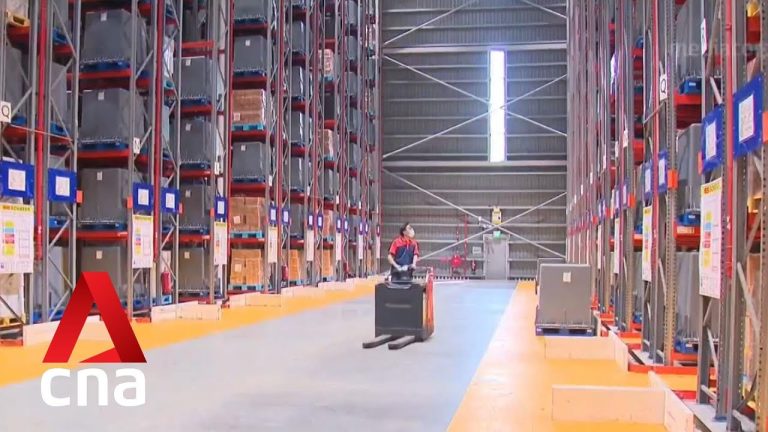
In Singapore, rice is not just a staple food; it’s a vital part of the nation’s food security strategy. The government has implemented the Rice Stockpile Scheme to ensure there is always an adequate supply of rice in the event of unforeseen shortages. This initiative requires rice importers to maintain a prescribed quantity of rice stockpiles, reinforcing the importance of rice in the nation’s diet.
The history of the rice stockpile in Singapore dates back to 1968, three years after the country’s independence. This foresight highlights the proactive measures taken by the Singaporean government to secure essential food supplies. The question arises: why is it crucial to maintain this stockpile? The answer lies in the potential disruptions to global supply chains that can affect food availability.
Beyond rice, Singapore employs various strategies for food supply resilience, including diversification of import sources. This ensures that the nation is not reliant on a singular supply channel for essential food items, which could lead to vulnerabilities during crises.
Rice isn’t the only food item that is stockpiled at the national level. Singapore also collaborates with the industry to maintain reserves of frozen meat and canned vegetables. This multi-faceted approach to food security demonstrates an understanding of the complexity involved in ensuring that the population’s nutritional needs are met.
To uphold the safety of imported food, particularly high-risk items like meat and eggs, the Singapore Food Agency (SFA) has put stringent accreditation processes in place. SFA officers conduct inspections of overseas establishments to ensure compliance with local safety standards before food items reach Singapore. This critical step ensures consumer safety and the quality of imported goods.
Once rice arrives in Singapore, the method of storage is equally important. Rice is packaged in a way that minimizes exposure to pests such as rice weevils. This involves a modified atmosphere packaging treatment that reduces oxygen levels to inhibit pest growth, extending the rice’s shelf life without the need for chemicals.
A noteworthy feature of Singapore’s rice packaging system is the advanced automation used during the whirling purging process. This innovative technology utilizes nitrogen flushing to displace oxygen, thus preventing weevil infestation and maintaining rice quality over an extended period. Such systems reflect Singapore’s commitment to leveraging technology in food safety and preservation.
In a recent trivia challenge related to rice, participants were engaged in learning dimensions of rice culinary practices, further emphasizing the cultural significance and practicalities surrounding this staple food.
As a key takeaway, the significance of an automated rice packing process alongside robust food safety measures should not be underestimated. It showcases Singapore’s dedication to becoming a resilient nation in food supply management.
Keywords: Singapore rice stockpile scheme, food security Singapore, rice import strategy, SFA food safety, rice supply management, national stockpile rice, preserving rice quality, rice import regulations, Singapore food resilience, rice supply challenges